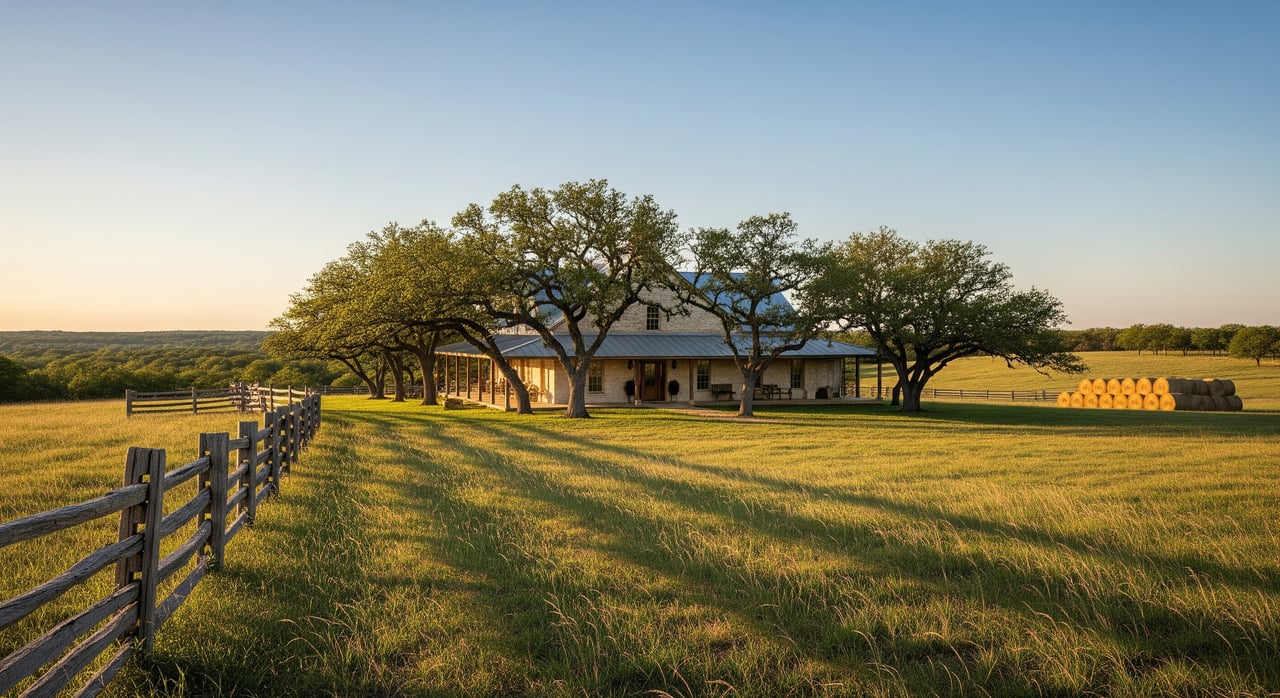
Thinking about trading a suburban yard for wide‑open space in Holly Ridge near Decatur? Acreage living can be a breath of fresh air if you want privacy, room for projects and a slower pace. It can also bring new responsibilities like well and septic care, longer drives and a different set of rules. In this guide, you’ll learn what to expect with costs, utilities, land use, financing and inspections, plus a simple checklist to help you decide with confidence. Let’s dive in.
What acreage living looks like
Holly Ridge generally refers to acreage homesites and rural parcels around Decatur in Wise County. Lots often start around 1 acre and can stretch to several dozen. Many homes use private wells for water and on‑site septic systems for wastewater. Some roads are private or maintained through an HOA or recorded road agreement. Internet, trash service and natural gas access can vary by street, so you will want to verify details for each property.
Because parcels differ, your experience will depend on the exact address. Plan to confirm boundaries, recorded covenants, easements and access with the county clerk and a title company. Use the appraisal district to review tax entities and assessed values. If a property lies inside city limits, call the city for any in‑city services or permits.
Budget and ongoing costs
Acreage life shifts your monthly budget in a few ways. Texas does not have a state income tax, so property taxes are a key expense. Rates come from several entities like the county and school district, and possibly a city or special district. Check the appraisal district for current rates and valuations on any property you are considering.
Utilities can also change your cost picture:
- Water and sewage: Well maintenance, water testing and septic pumping or repairs become part of routine ownership.
- Energy: If natural gas is not available, you may rely on propane. Electricity may come from a co‑op or investor‑owned utility. Connection costs and outage history can differ.
- Internet: Wired broadband may be limited. Fixed‑wireless or satellite can fill gaps, but speed and data plans vary.
Budget for maintenance that suburban homes rarely face: private road grading or gravel, long driveway upkeep, fence repairs, pasture mowing and equipment. Insurance can also differ based on distance to fire services and brush risk. If a parcel lies in a mapped flood zone, a lender may require flood insurance.
Utilities and internet checklist
Before you fall in love with a view, verify the basics. On rural parcels, the details matter more than the square footage.
- Well: Confirm depth, pump type, production rate and water quality. Ask for recent lab tests for bacteria and nitrates.
- Septic: Review permit records, tank age, last pumping and the drain field location. Confirm capacity matches bedroom count.
- Electric: Identify the service provider, distance to the nearest transformer and any connection or upgrade fees.
- Gas/propane: Check for natural gas availability or confirm tank size, location and vendor arrangements for propane.
- Internet: Verify wired options, fixed‑wireless providers and any data caps on satellite plans.
- Trash and mail: Ask about private haulers, recycling and mailbox location. Rural routes can differ from city service.
Rules, rights and land use
Texas counties have limited zoning authority, but subdivisions can have deed restrictions or HOA rules. Get recorded covenants and plat maps from the county clerk and review them carefully. Restrictions can govern fencing, livestock, outbuildings and business use.
If the property benefits from an agricultural appraisal for tax purposes, learn what activity was used to qualify and what is required to maintain it. A change of use can lead to additional taxes. Your title review should also address mineral rights. In Texas, surface and mineral ownership can be separate. Confirm what conveys and whether leases or pipelines affect use. Finally, verify access. If it is a private road, secure any road maintenance agreements and understand cost sharing.
Schools, services and commute
Many Decatur‑area parcels fall within the Decatur Independent School District, but boundaries can vary street by street. Confirm assignments and bus routes with the district and the appraisal district for a specific address.
For healthcare and emergency services, identify the closest hospital, urgent care and fire station. Response times can differ from city areas. If you plan to commute to Fort Worth or other DFW centers, test the drive at your typical travel times and consider road conditions during weather events.
Risks and environmental checks
Every parcel has a unique risk profile. A smart buyer checks the following before option periods expire:
- Flooding: Review FEMA flood maps for the property and any mapped drainage easements.
- Wildfire and brush: Ask the local fire department about defensible space and how ISO ratings may affect insurance.
- Water quality: Request current well tests and inquire about any historic industrial or agricultural activity nearby.
- Protected habitat: Check with state resources if you plan extensive clearing or development.
- Oil and gas: Determine the presence of active leases, wells or pipelines and review any surface use agreements.
Financing options for rural homes
Most buyers use conventional mortgages for homes on acreage, but lenders look closely at access, utilities and how the land is used. FHA and VA loans can work for primary residences if the property meets standards for safe water and sewage. USDA Rural Development loans may offer favorable terms for eligible rural addresses and incomes.
If you plan to build or buy unimproved land, you may need a construction loan or land loan with different down payment and rate structures. Some acreage sellers offer seller financing, which calls for extra due diligence and clear terms.
Inspections and title due diligence checklist
Use this list to move from interest to confidence.
- Order a current boundary survey and confirm access, easements and encroachments.
- Hire inspectors experienced with wells and septic systems. Get water quality results and septic performance checks.
- Review septic permits, locations and any repair history. Confirm capacity for planned use.
- Pull plats, covenants and easements from the county clerk and review HOA or road agreements if applicable.
- Request a title commitment that flags mineral reservations, pipelines, liens and deed restrictions.
- Check the appraisal district for exact taxing entities, assessed value and any agricultural appraisal status.
- Determine flood zone status and ask about drainage easements that could limit building sites.
- Verify utility serviceability and connection costs for electric, internet and gas or propane.
- If an agricultural appraisal exists, document the current qualifying activity and what is required to maintain it.
- Contact the local fire department about ISO ratings, water supply and brush‑fire mitigation tips.
Is acreage life a fit for you?
Acreage living delivers a unique lifestyle. To decide if it matches your goals, weigh the tradeoffs with clear eyes.
Pros to love
- Privacy and space for gardens, animals, workshops or a pool.
- Lower density and room to add outbuildings where allowed.
- Potentially lower cost per acre than inner suburbs.
Considerations to plan for
- More time and budget for mowing, fencing and driveway upkeep.
- Longer drives to schools, shops and services.
- Wildlife, agricultural noise or occasional oil and gas activity in parts of North Texas.
If the benefits light you up and the responsibilities feel manageable, Holly Ridge can be a great match.
How we help you buy with confidence
Acreage purchases blend homebuying with land investing. You deserve a guide who understands both. With white‑glove service and deep local knowledge, we help you verify utilities, uncover title issues, coordinate the right inspections and secure financing that fits rural realities. Ready to explore Holly Ridge and Decatur with a trusted advocate at your side? Connect with Martha Sanchez to plan your next move. Schedule a Free Consultation. ¿Hablamos?
FAQs
What should I budget for utilities on a Holly Ridge acreage home?
- Plan for well testing and maintenance, septic pumping or repairs, propane if gas is unavailable, and possible higher electric or internet costs than a typical suburban home.
How do I confirm mineral rights when buying in Wise County?
- Ask your title company for a commitment that lists mineral reservations and leases, and have your agent request recorded documents from the county clerk for a full picture.
Are there HOAs or deed restrictions in Holly Ridge near Decatur?
- Some subdivisions have recorded covenants or HOAs that govern animals, fencing and outbuildings, so always obtain and review the covenants and any road agreements before you offer.
What inspections are essential for a rural Decatur property?
- Get a current boundary survey, well inspection with lab water tests, septic inspection and permit review, flood zone check, and a thorough title review for easements and minerals.
Can I use USDA, FHA or VA loans for acreage near Decatur?
- Yes, if the property and borrower meet program standards, with USDA focused on eligible rural locations and FHA or VA requiring safe, working water and sewage for the residence.
How do I verify school assignments for a specific Holly Ridge address?
- Confirm with the school district’s boundary resources and the appraisal district records, and ask about bus routes and travel times that fit your daily schedule.